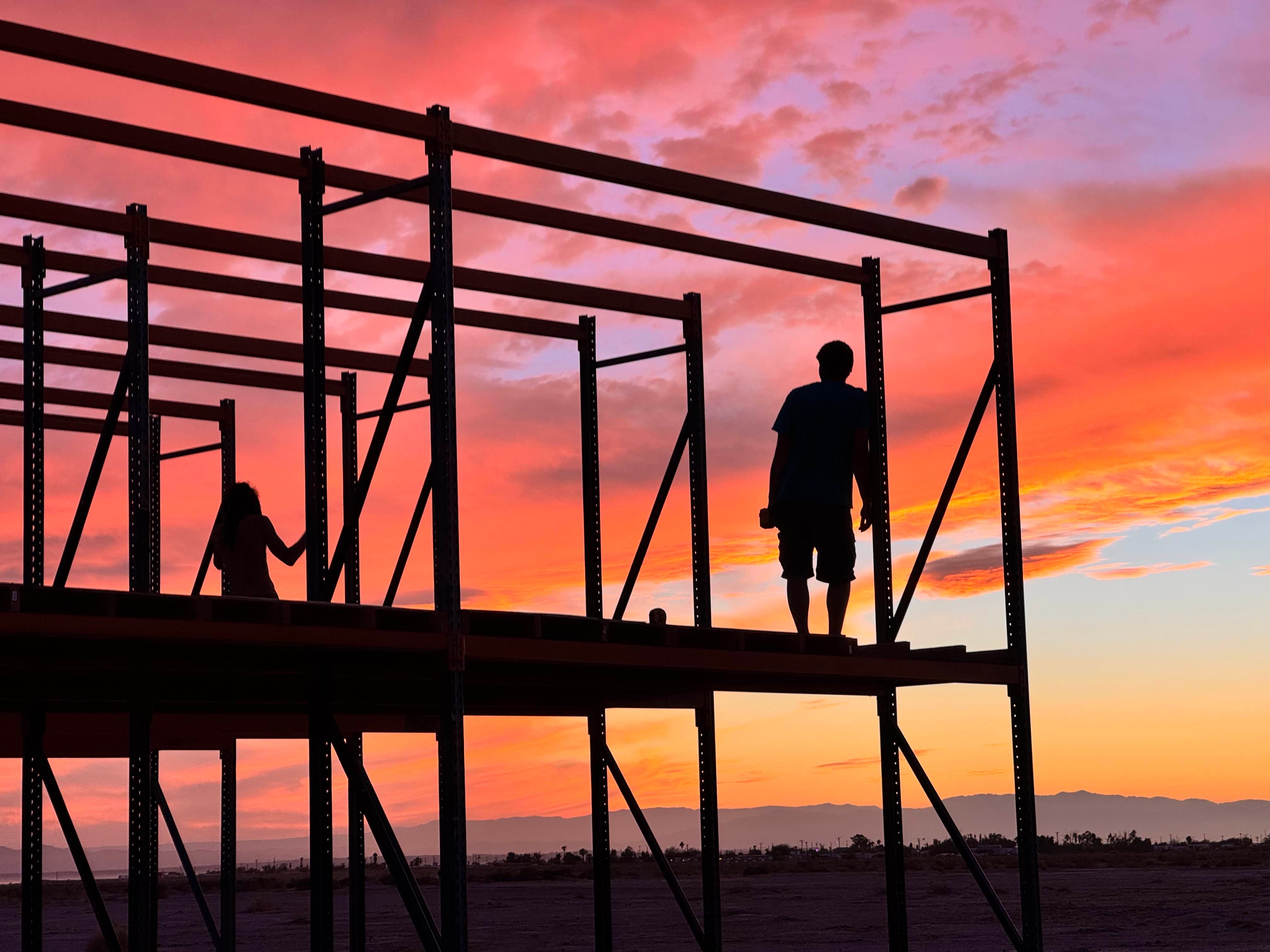
Tool Camp

The Salton Sea region is a difficult place to live. With no direct hook up to water, power, or waste disposal services, the Mars College Campus is an experiment in off-grid living. As the workshop and R&D arm of the Mars Campus, Tool Camp sees this environment as a unique opportunity and design challenge to see how we can affordably meet as many of our living needs as possible at the highest quality of life. Though ultimately the stakes on Mars are low, we think the importance of developing these systems is high. Whether for environmental or human-made disasters, occupy movements, or just reducing our collective costs and material dependencies, we think there is something to be learned by figuring out how to live where there are no systems to support us. Our focus will be on designing, prototyping, testing, and documenting experimental low-cost, off-grid and open source infrastructure.
What is Tool Camp?
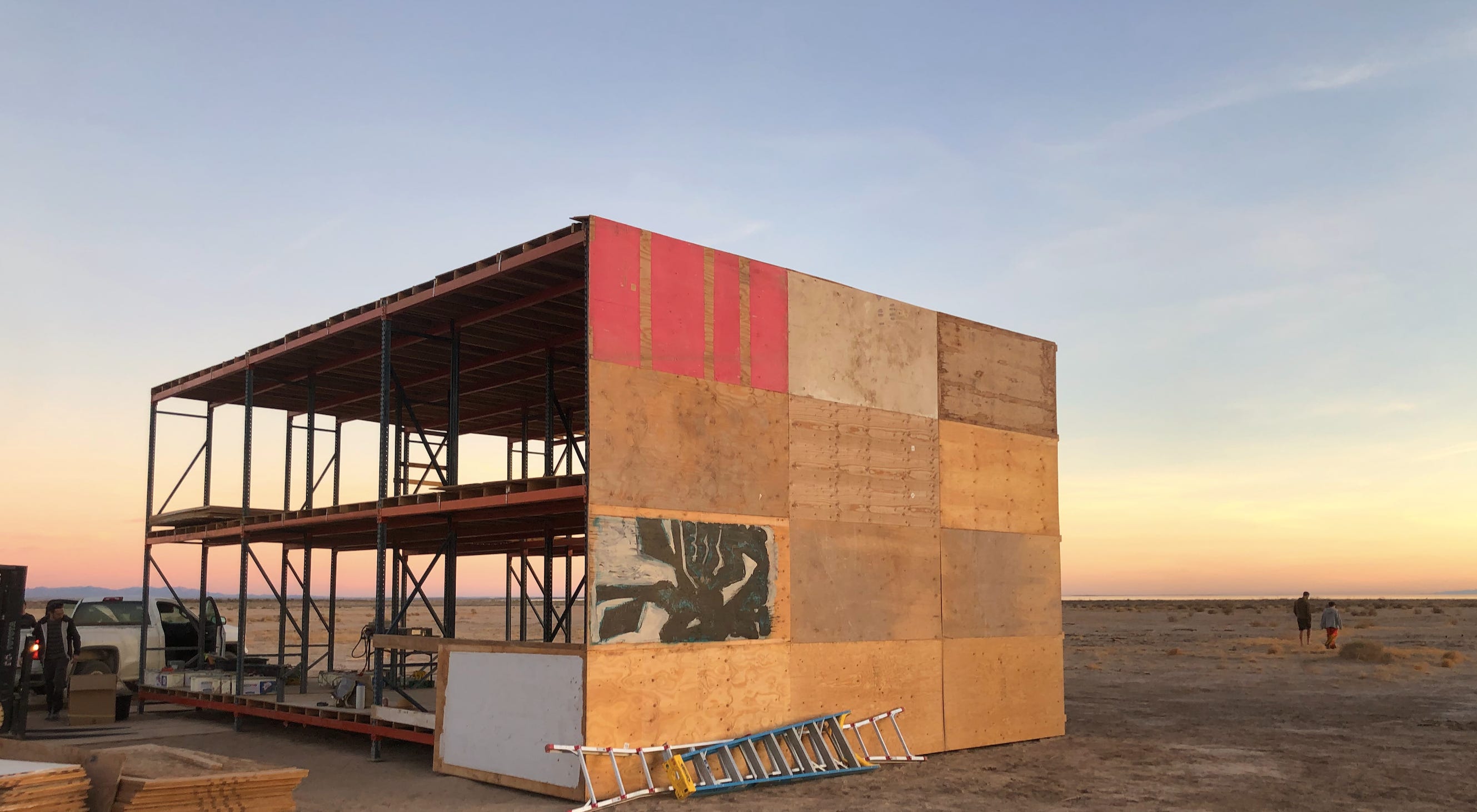
Last year was our first attempt at creating an offgrid workshop on Mars. We were trying to accomplish two main goals:
1. To be a tool library and source of support/knowledge for the many building or infrastructure projects that make Mars happen.
2. Provide people who want to use their time at Mars to develop physical systems and inventions with a fully-equipped workspace.
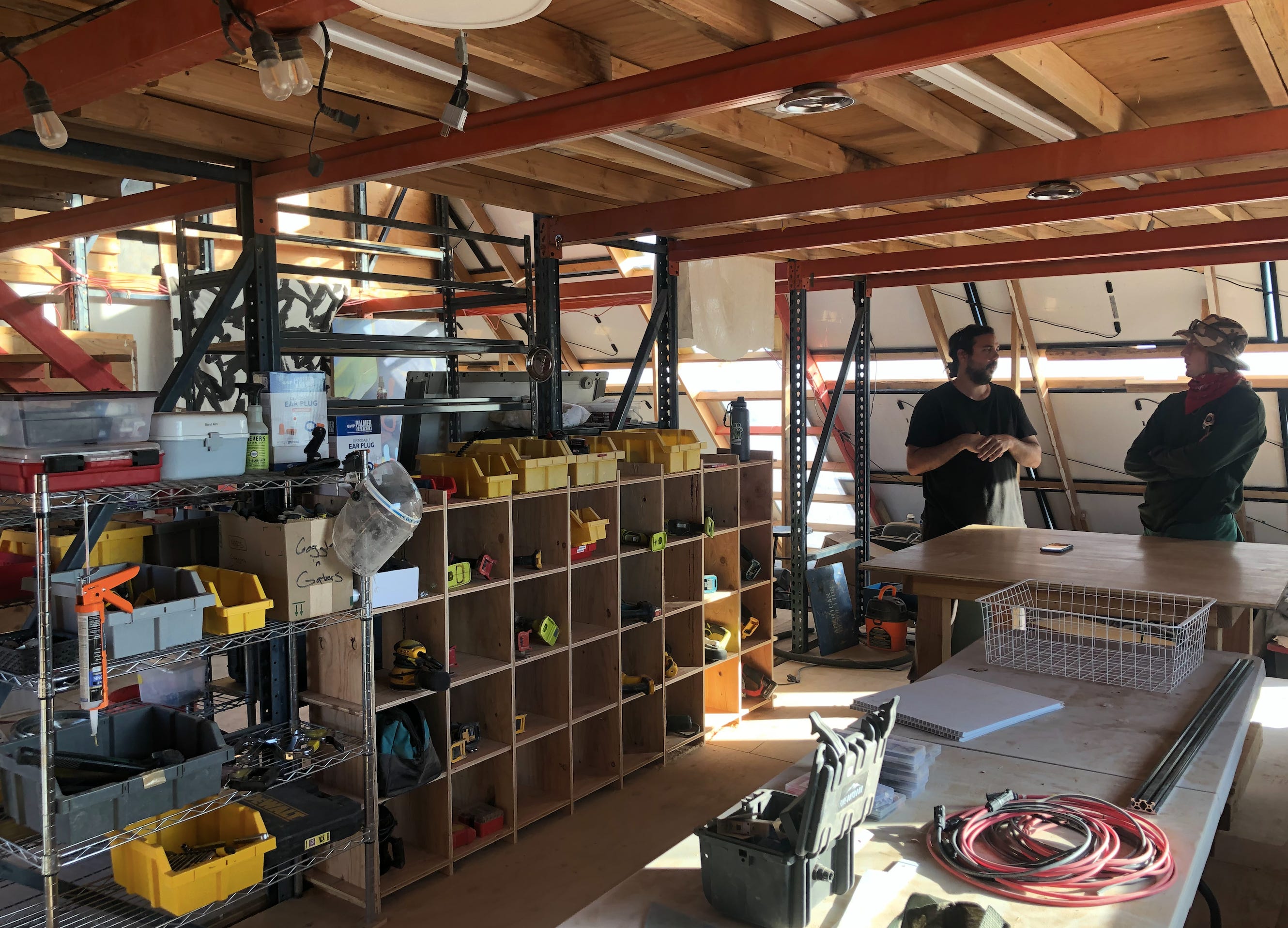
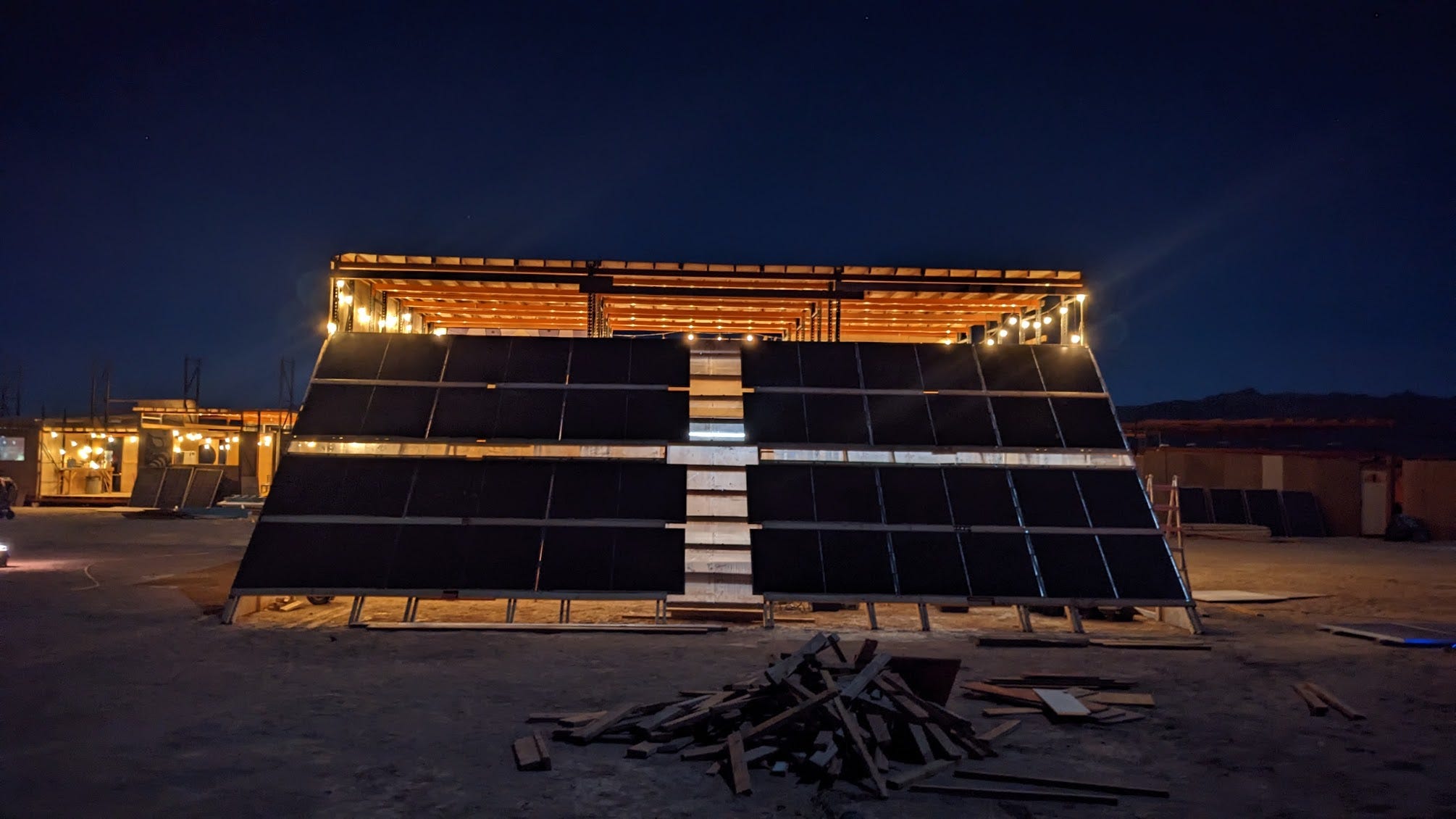
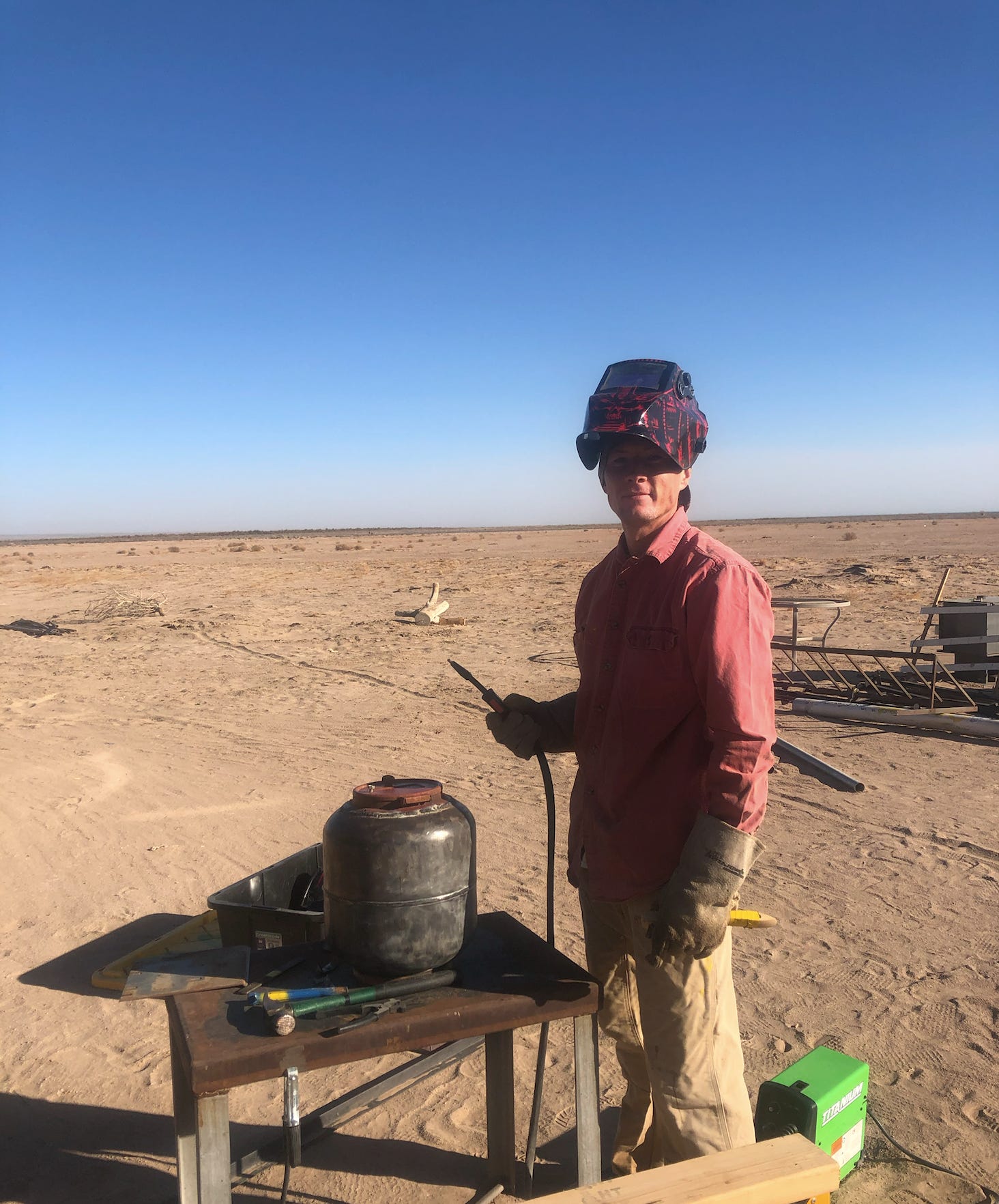
It went SO much better than we could have hoped! We were able to build a functional workspace with a shared tool co-op, with everything running on a solar microgrid. We had everything from battery powered hand tools to drill presses, tables saws and welders. This year we hope to do it even better.
Last year’s projects
We had a lot of cool projects that came out of the previous semester! The initial work of completing a fully functional solar power grid that powered Tool Camp and the rest of Mars was a big accomplishment to begin with. We also had to develop organizational systems for cooperative tool sharing, gather materials like shelving and tables, and piece it all together. After Tool Lab was up and running, some self-led and collaborative projects began to percolate. We had a 3-D printer, a few solar ovens, and some AI powered robotics.
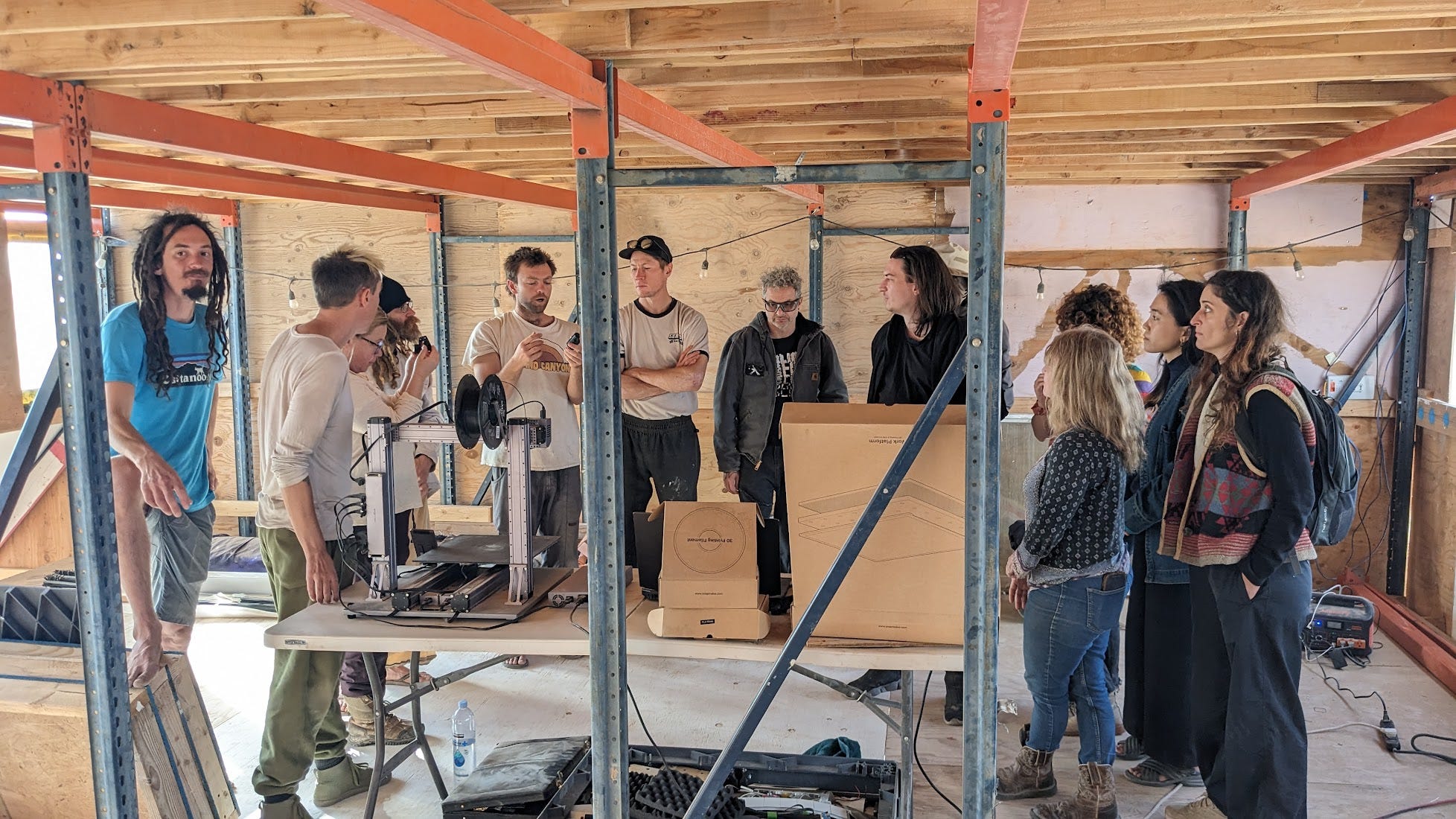
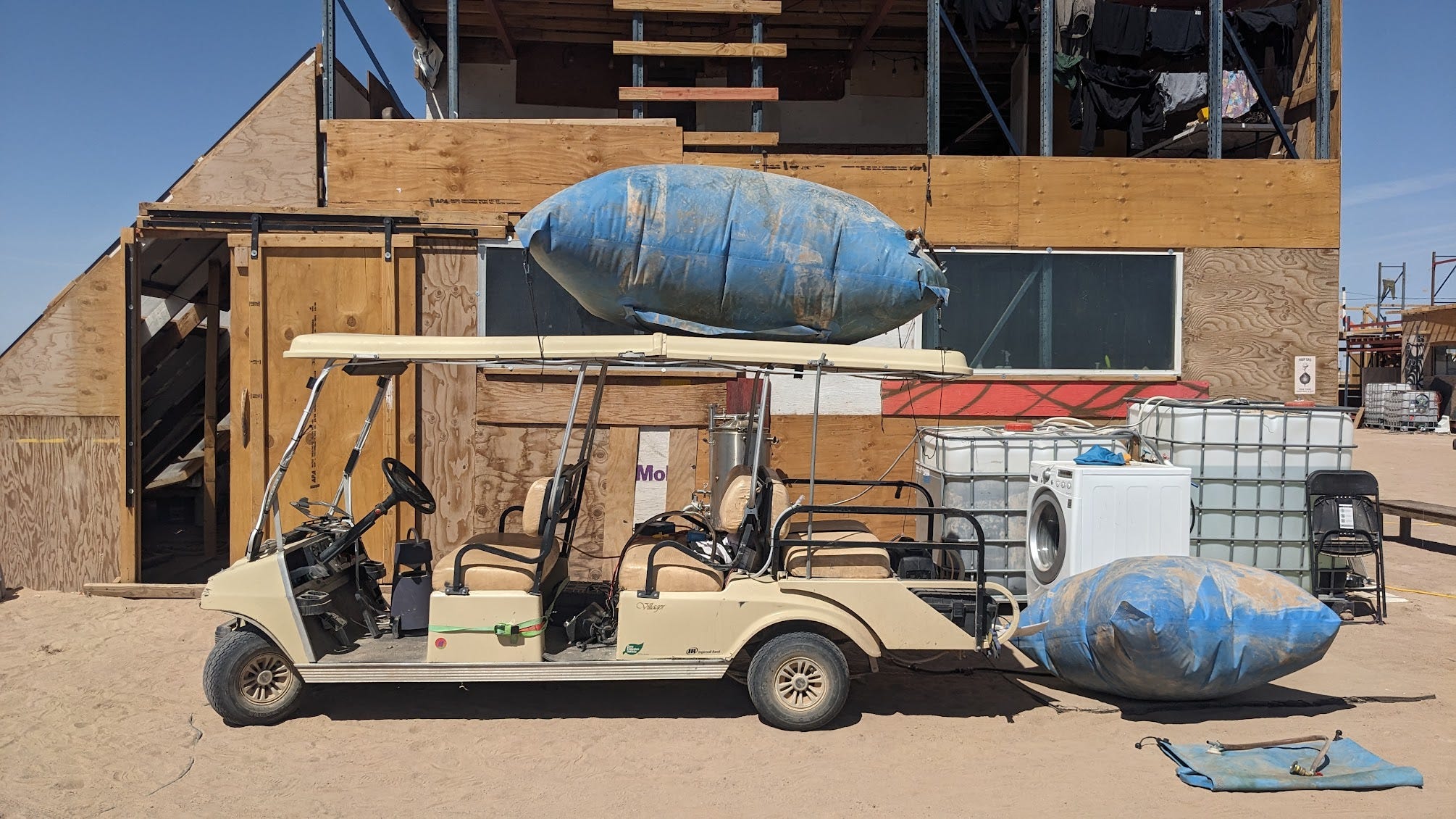
Other notable projects:
A large 3d DIY printer that could take ground plastic and turn it directly into thick durable prints.
A CNC laser engraver that operated off of the sun and a magnifying glass.
A DIY swamp-cooler for small spaces (camper trailer, van etc)
Proof of concept for cheap, pop-up, above ground septic system
A golf cart running entirely off the woodgas created by turning compostable material and human waste into biochar!
A large scale 3D clay printer for printing houses out of material that is locally sourced from the immediate area!
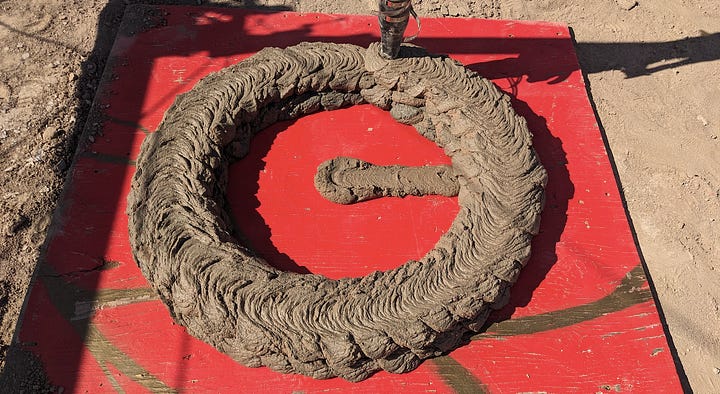
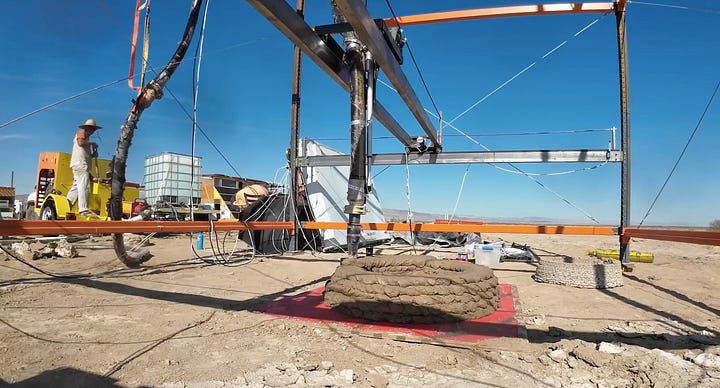
3d clay printer We Want You!
This program exists as an incubator for low-cost, open-source, sustainable infrastructure. We’re looking for creative folks with a wide range of skills and knowledge to join us. No specific skills or backgrounds are required. You should enjoy problem-solving and working on technical challenges, and work well with others in a collaborative environment, though you are encouraged to focus on whatever interests you the most. If pushing the limits of DIY, off-grid technology sounds like a fun way to spend 3 months of your time, apply now!


Potential areas of research include:
Building and Maintaining a Solar Microgrid
Rain Water Collection
Rainwater and Solar Powered Showers
IBC Waste Water Biofiltration
Large-Scale Earthen 3D Printing
Ceramics / Rocket Kilns
Waste Biomass Gasification
Wind Turbines
Concentrating Solar Power
Hydroponic Food Production
Mars Rovers
Robotics
Decentralize Internet and Communications Systems
Biome Automation
Solar Powered Kitchens
Metal Casting with Aluminum Cans
Geopolymers
Deployable Structures
YOUR PROJECT…